



By Maaike Hoekstra – The Flavor Teller
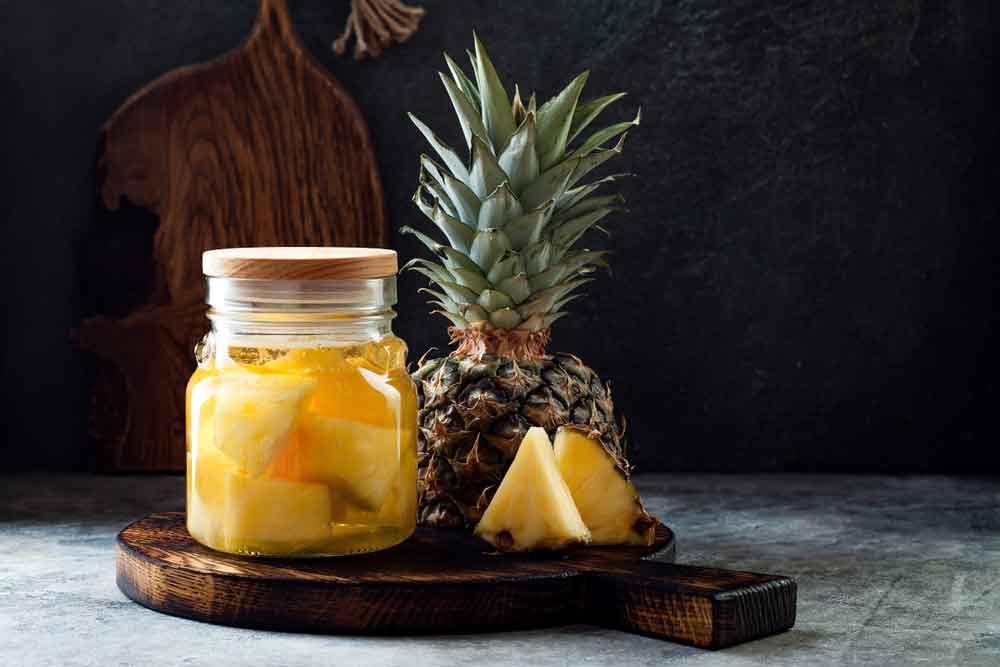
Have you ever felt weighed down by too much food, or a little worse for wear after one too many tequilas? Locals have a remedy for all of that—and it’s probably not what you would expect. They reach for a cup of Tepache, a traditional fermented pineapple drink (tay-PAH-chee). And no, despite its fermentation, it won’t leave you drunk.
Fermentation may sound exotic, but it’s one of humanity’s oldest survival tricks. Long before refrigerators, people learned to preserve food—and its nutrients—by letting nature do the work. Around the world, this gave us sauerkraut in Germany, kimchi in Korea, and kefir in Eastern Europe. Mexico is no exception.
Long before it became a street-side favorite, tepache was already part of México’s living history. Its roots reach back to pre-Hispanic times, when indigenous communities prepared a humble fermented drink made from tender corn. The name itself tells the story: from the Nahuatl words “tepatli” (corn drink) and “tepachoa” (to crush with stone), tepache was once quite literally a “drink of crushed corn,” valued for its refreshing and restorative qualities.
As centuries passed, the drink evolved along with trade routes and changing tastes. Fruit slowly found its way into the recipe, first as a luxury added in small pieces. Pineapple—rare and difficult to obtain at first—eventually became the star. Its natural sweetness, high water content, and ability to ferment quickly transformed tepache into the lightly alcoholic, vibrant beverage we know today.
By the 20th century, tepache was everywhere. It rested in wooden barrels, was sold in lively “tepacherías” (tepache bars), and became a symbol of everyday Mexican life—simple, nourishing, and shared. Today, it is most commonly made from pineapple peel and pulp, sweetened with piloncillo, and left to ferment for several days into a gently fizzy drink with low alcohol content.
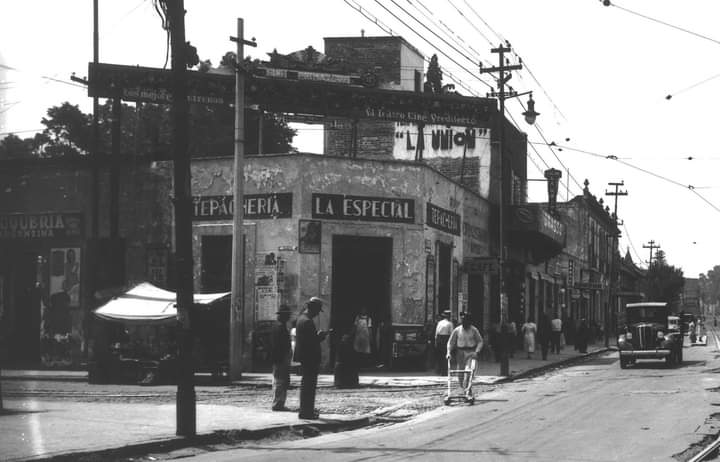

Served ice-cold, often with a rim of salt and piquín chili, tepache is more than just a refreshment. It’s a reminder of how tradition adapts—how a medicinal corn drink became a beloved fermented fruit beverage, carrying centuries of culture in every sip.
Ingredients:
-
1 small ripe pineapple
-
3 liters (12 cups) water
-
600 gr (21 oz) piloncillo molasses sugar
-
1 cinnamon stick
-
3 cloves
-
Optional: 1 small beer (250 ml)
Preparation:
-
Wash the pineapple thoroughly, remove the stem and cut the fruit, including the skin, in large chunks.
-
Heat two liters (8 cups) of water and add the piloncillo sugar with the cinnamon and clove. Stir until the piloncillo has dissolved. Leave to cool down.
-
Place the pineapple chunks in a large glass container with the sugar water. Cover with a fabric cloth and leave to ferment for 48 hours in a warm place. Taste the tepache; if it isn’t fermented yet, leave for another 1–2 days.
-
Pass the fermented liquid through a strainer into a jug. Dilute with 1 liter (4 cups) water. You can also add a small beer (250ml) and ferment for another 12 hours.
-
Keep the tepache in the refrigerator for up to one week. Serve chilled with ice cubes.
Serves 6 people
Discover Mazatlán Through Flavor
If you’re curious to discover what Mazatlán really tastes like, the journey starts with a single step. Reach out to me at flavorteller@gmail.com and book your seat on a Flavor Teller food tour at www.flavorteller.com. Mazatlán’s street food is waiting for you!