

By Pacífico Pearl
Some places are remembered. Others refuse to disappear. In Mazatlán, one story lingers like a whisper carried by the ocean breeze—the story of Quinta Echeguren, a residence once defined by opulence, ambition, and tragedy… and now preserved only in memory and myth.
A Vision Imported from Europe
At the height of Mazatlán’s economic golden age in the late 19th century, the Echeguren family stood among the most powerful in the region. Their wealth, rooted in mining, commerce, and industry, extended across continents. Yet their lives were divided between Mazatlán and Europe.
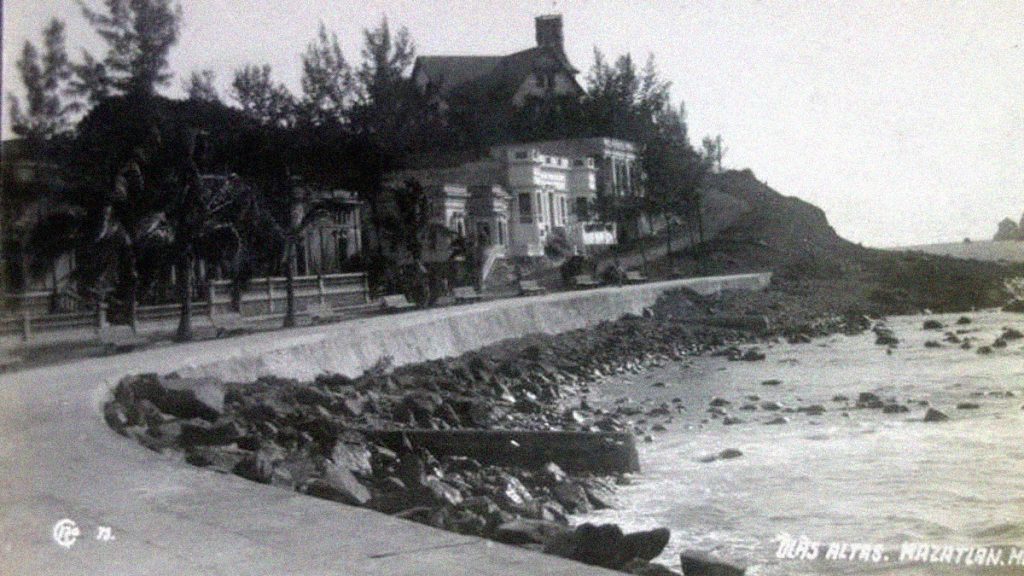 It was within that dual identity that Quinta Echeguren was conceived—not merely as a residence, but as a meticulous recreation of a life left behind. Pedro Echeguren commissioned the estate as an exact replica of the home his wife occupied in San Sebastián, Spain. Every detail was replicated with obsessive precision: the orientation toward the sea, the gardens, the interiors, the furnishings imported from Europe, even the acoustics of its rooms.
It was not architecture. It was longing, built in stone and wood.
A Stage for Excess and Elegance
Though only occasionally inhabited, the Quinta quickly became one of Mazatlán’s most legendary settings. Its gatherings were known for their extravagance. At the center of it all stood Doña Plácida Herrerías de Echeguren, whose soirées defined an era of refinement and indulgence.
The celebrated writer Amado Nervo, then a young reporter for El Correo de la Tarde, documented these events—immortalizing nights where luxury was not just displayed, but performed.
Mazatlán, in those years, was not simply connected to the world. It was part of it.
A House Touched by Death
But beneath the elegance, a darker narrative began to unfold. In 1903, during the outbreak of bubonic plague in Mazatlán, the caretaker of the property died within its walls. Due to its location in one of the most affected areas, authorities ordered the residence to be burned as a sanitary measure.
The first Quinta was reduced to ashes.
And yet, the story did not end there.
Rebuilding the Impossible
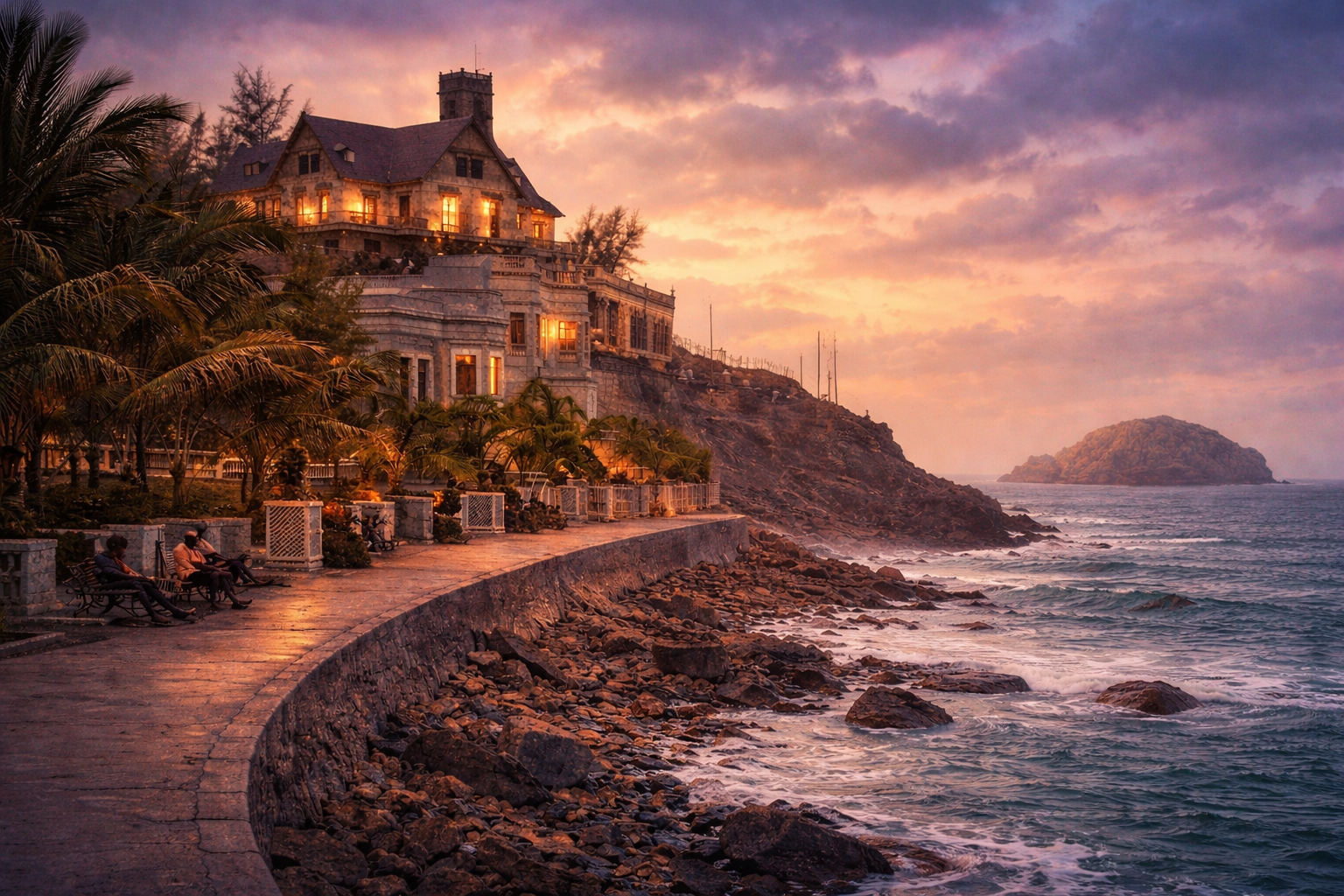
Just one year later, construction began on a new and even more ambitious residence—this time on the slopes of the Cerro del Vigía, overlooking the Pacific along what is now known as the Paseo del Centenario. The new chalet was grander in every sense.
Built with rock foundations carved directly from the hill, featuring a three-story tower facing the sea, expansive salons, private quarters, wine cellars, and intricate decorative elements, the estate was designed to surpass its predecessor in both scale and elegance.
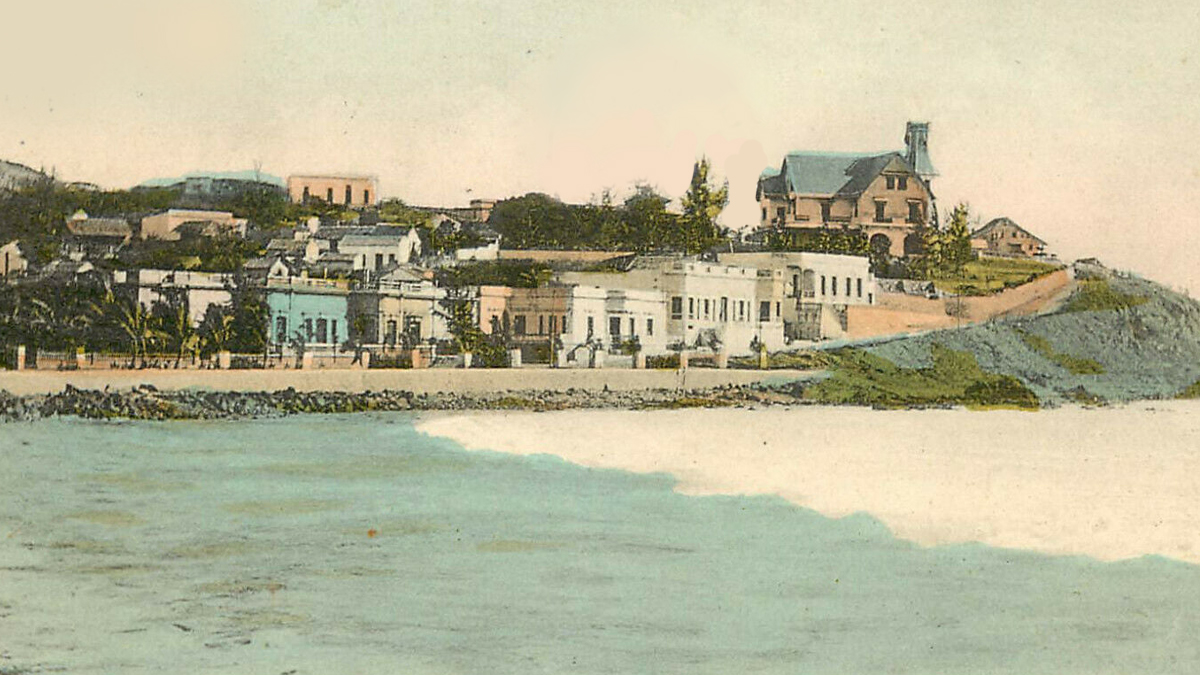
Eighty men worked to bring it to life. But destiny intervened once again.
Pedro Echeguren died in 1907, shortly after the completion of the residence. The home built as a gesture of devotion was never truly lived in.
The Second Fire—and the Birth of Legend
On September 12, 1944, a violent storm struck Mazatlán. A lightning bolt hit the Quinta’s lightning rod—but due to a failed grounding system, the electric discharge ignited the wooden structure. Fire spread rapidly through the upper levels, consuming roofs and interiors.
Despite efforts to save it, the damage was irreversible.

But it was not only the building that burned. It was in the aftermath of that fire that the legend took hold. Stories emerged—of deaths within the house, of illness, of an unseen sorrow tied to its origins, of a wife who never arrived, of a home that was never meant to be inhabited.
The Quinta ceased to be a place. It became a myth.
The Beauty of What Remains
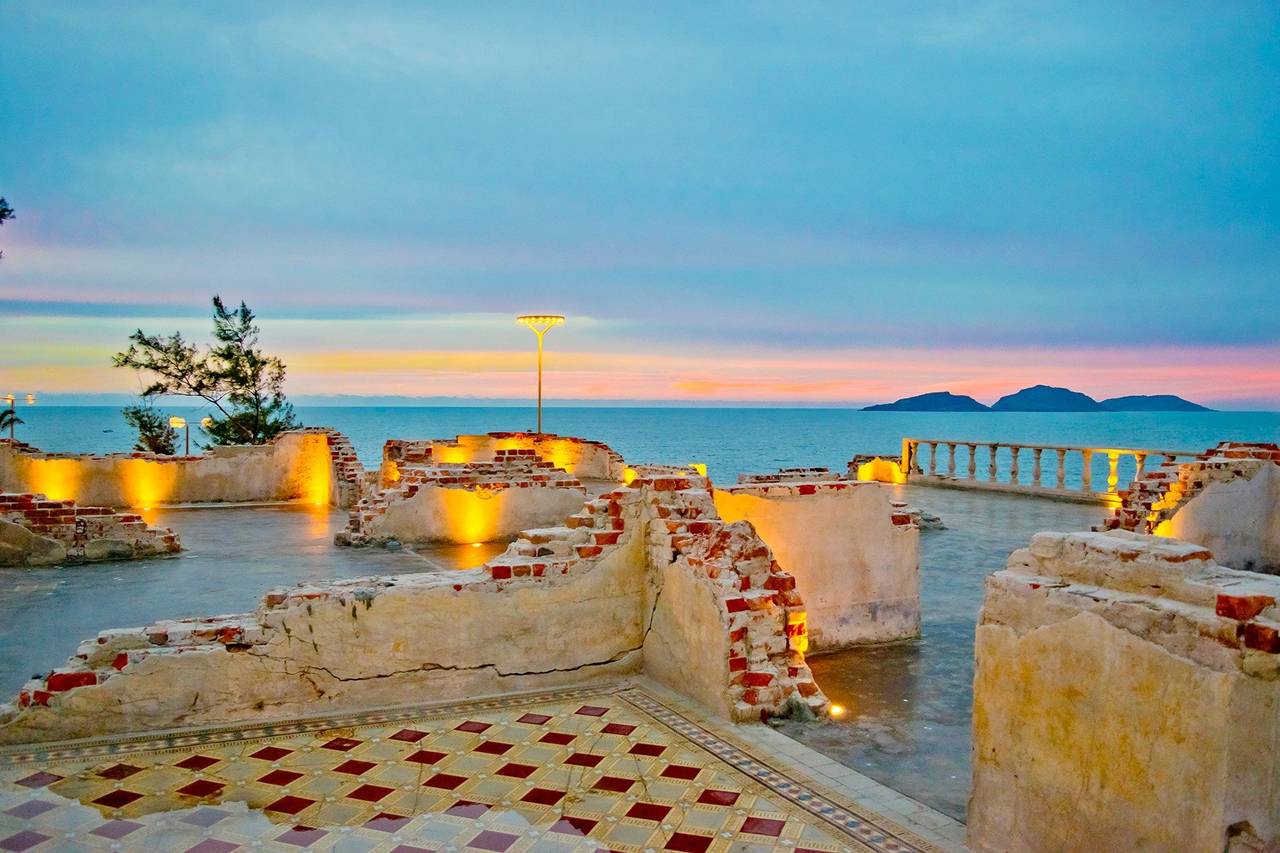
For decades, the land where the Quinta once stood remained empty. Fifty years of absence gave rise to a haunting question: Was the fire coincidence… or consequence?
Some spoke of a curse. Others of fate. But perhaps the truth is simpler—and more poetic.
Quinta Echeguren became a symbol of something deeply human: of wealth that could not guarantee happiness, of love that arrived too late, of beauty that could not endure.
Mazatlán, Written in Memory
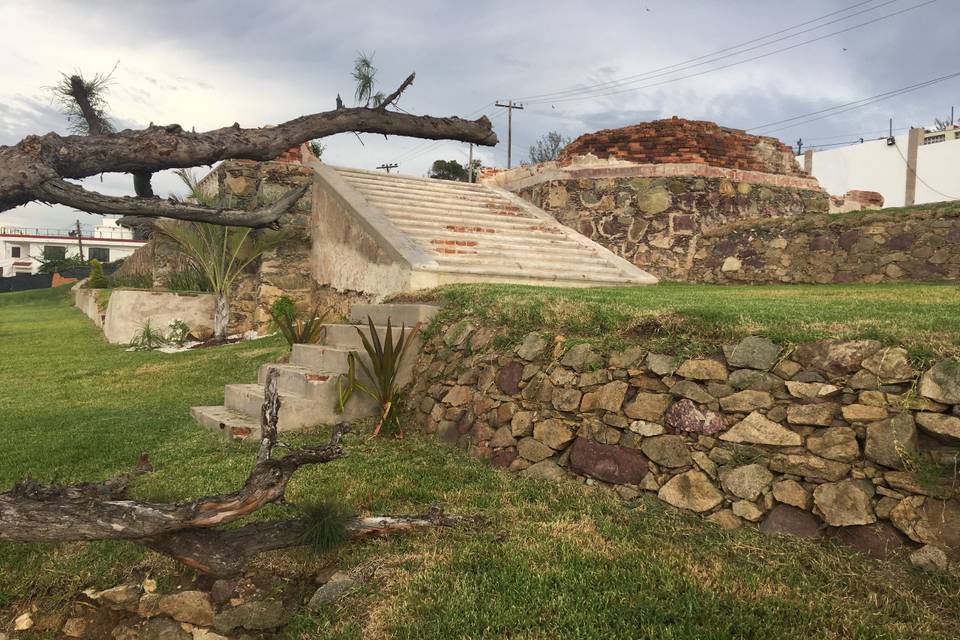
Today, nothing of the original structure remains. And yet, in Mazatlán, absence is never emptiness. Because here, history lives not only in what stands—but in what lingers. And Quinta Echeguren, though gone, remains one of the most powerful presences in the soul of the city.