



By Sophia Boccard
Discovering Children’s Day in México
As an American transplant mom of three boys under five, I’ve been struck by something I never paid attention to growing up in the East Bay, CA. In the United States, Children’s Day exists, but it’s largely unofficial and invisible. And even when I lived in NYC for 20 years, I never noticed it. Here in México, it is impossible to miss. What looks at first like a simple celebration is, in fact, rooted in a much deeper belief about childhood, dignity, and rights.
A Day of Celebration
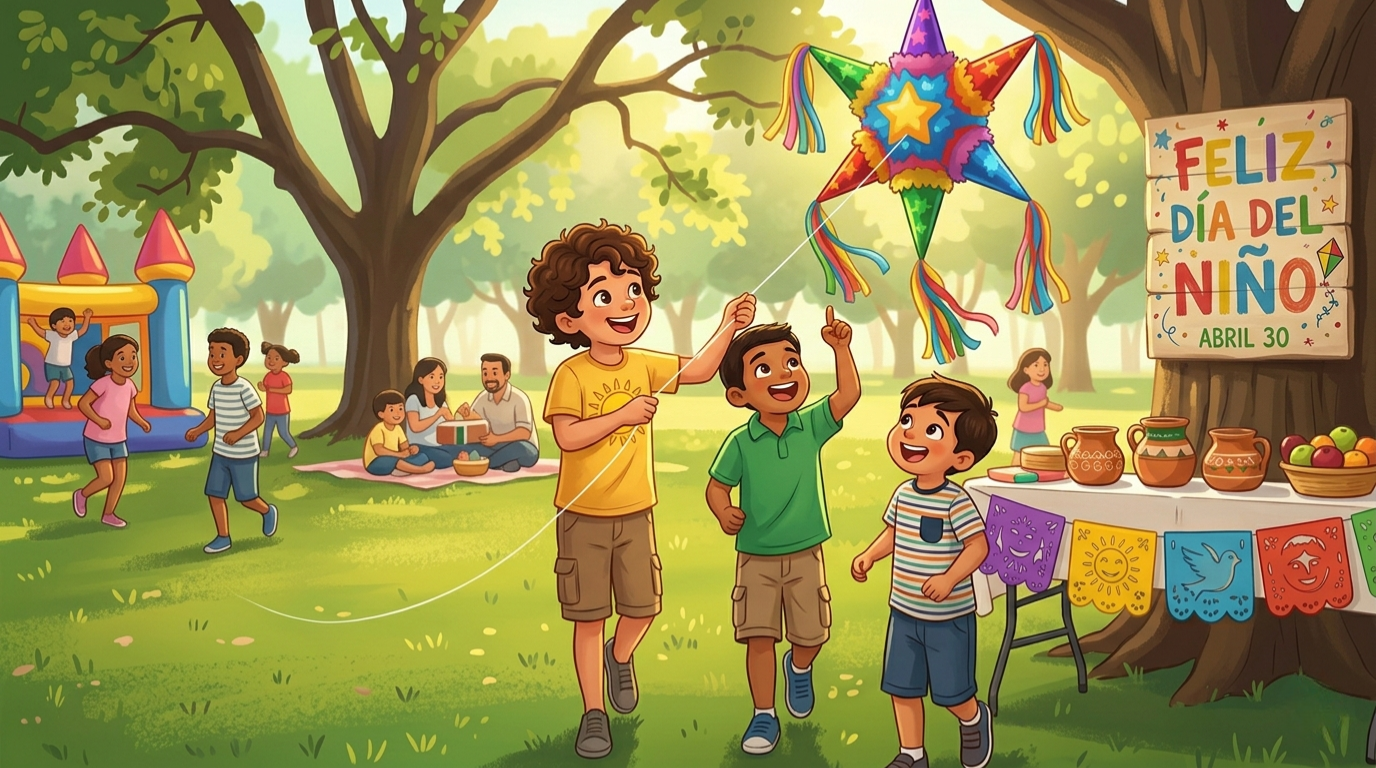
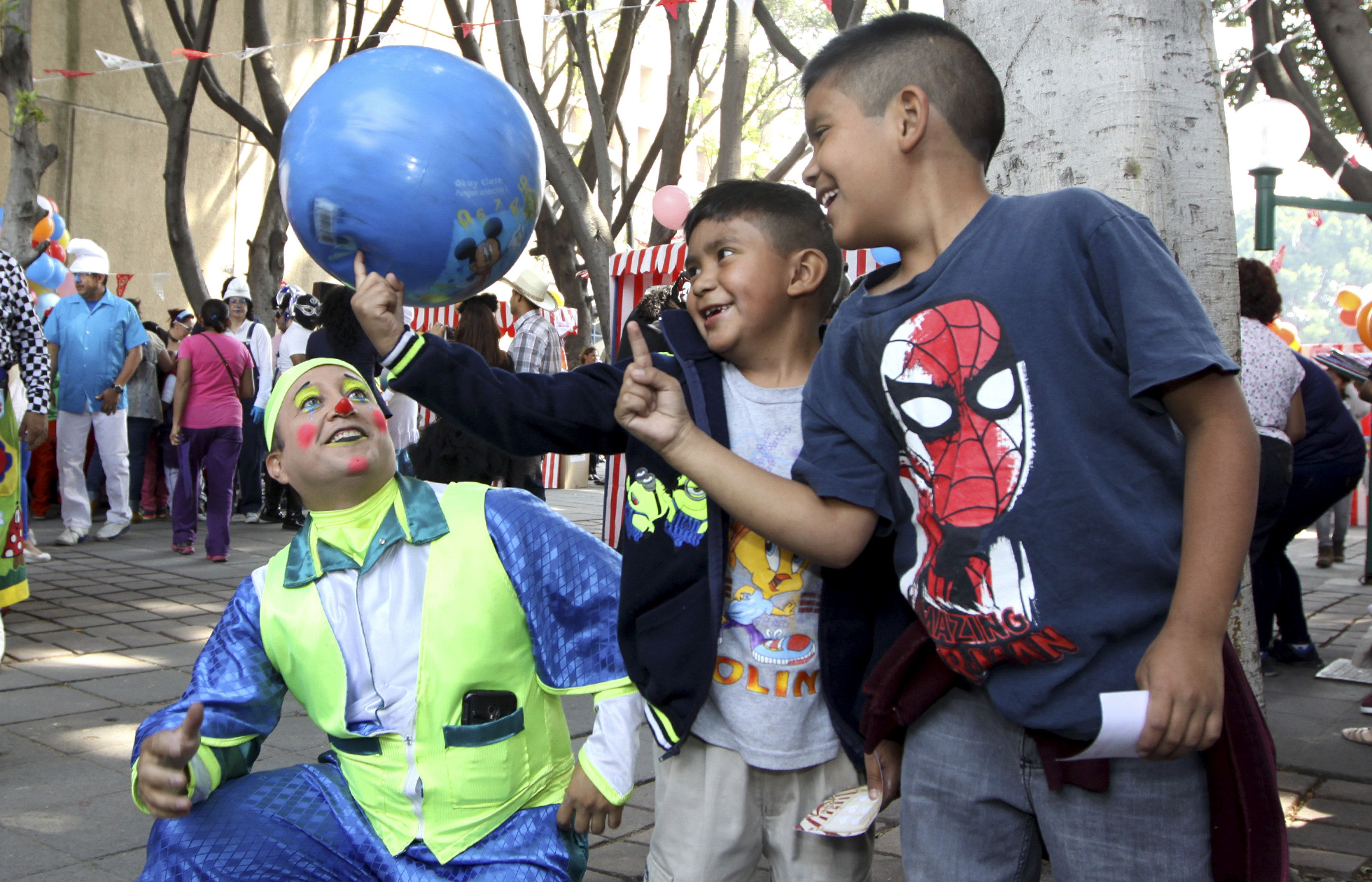
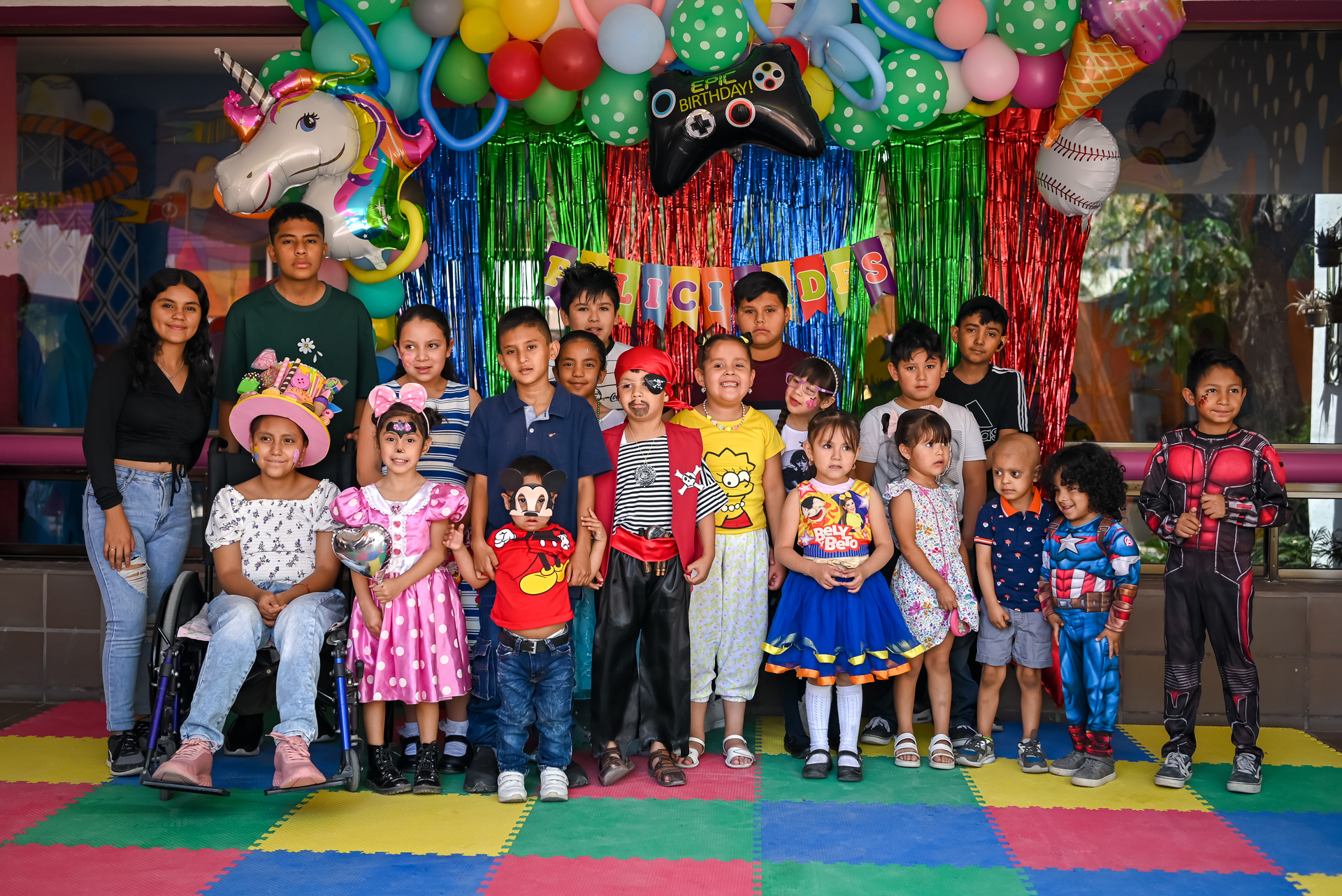
On the 30th of April each year, Día del Niño is a time-honored and heavily promoted day that sees widespread recognition. It’s a day that celebrates every child as if it were their birthday. Piñatas are strung up, restaurants feed kids for free, games are played, and candy is everywhere. For one day, childhood takes center stage. While the history of the day is rooted in something far more meaningful, it has evolved into a celebration that is joyful, playful, and full of life.
Reflecting on Childhood
Because the day is so visible and deeply woven into daily life here, I wanted to do a deeper dive into its historical and cultural significance in México. Watching my own children grow, each with their own unique personalities, has made me think differently about what it means to honor children and preserve their childhood. Yes, they will one day become leaders, caretakers, inventors, and parents. But what matters most is who they are right now, and that childhood itself is something worth protecting, not rushing.
The Historical Roots of Children’s Rights
In 1924, the League of Nations adopted the Geneva Declaration of the Rights of the Child. It was the first international document in history to formally declare that children have rights, marking a profound shift in how children were viewed. This was especially significant in a world still reeling from World War I, where millions of children had been orphaned, displaced, or forced into labor. For the first time, representatives from around the world agreed that children were not just future adults, but individuals deserving care, protection, and dignity in the present.
Mexico’s Early Commitment
President Álvaro Obregón came to power just after the Mexican Revolution, at a moment when educational reform was at the forefront of his policies. Obregón’s administration established the Secretaría de Educación Pública (SEP) in 1921 to centralize education, make it a national priority, and ensure education was accessible to all children. These reforms helped pave the way for México to formally recognize Día del Niño, positioning the country as one of the early leaders in linking a national Children’s Day to children’s rights.
When the United Nations formally adopted the Declaration of the Rights of the Child in the 1950s, México had already been honoring April 30 as Día del Niño for decades. This underscored México’s early commitment to placing children at the center of its post-revolution rebuilding efforts, rather than relegating them to the margins.
Modern Celebrations and Commercialization
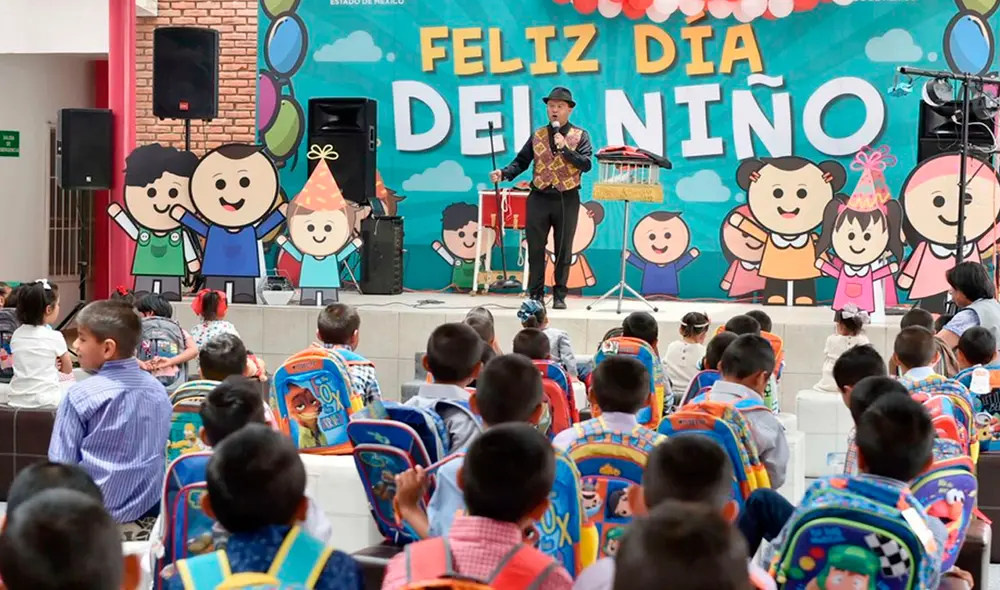
Today, Día del Niño is most commonly celebrated through fun, school-centered activities. Much like Halloween, it has also become a date marked by widespread commercialization, with businesses offering promotions and child-focused events. Yet regardless of how one feels about the marketing, there is something powerful in the collective agreement that children are worthy of a day dedicated entirely to them, much like Mother’s Day honors mothers or Valentine’s Day celebrates romantic love.
Honoring Childhood Every Day
As a parent, I’m grateful to live in a place that consistently highlights children and keeps them at the forefront of community life. There is something reassuring about knowing that past leaders recognized the importance of childhood strongly enough to formalize its protection. Even if the day sometimes feels like another spectacle, its roots remind us that respecting children, listening to them, and recognizing their rights matters deeply, now and always.