

The Arrival of Chinese Immigrants
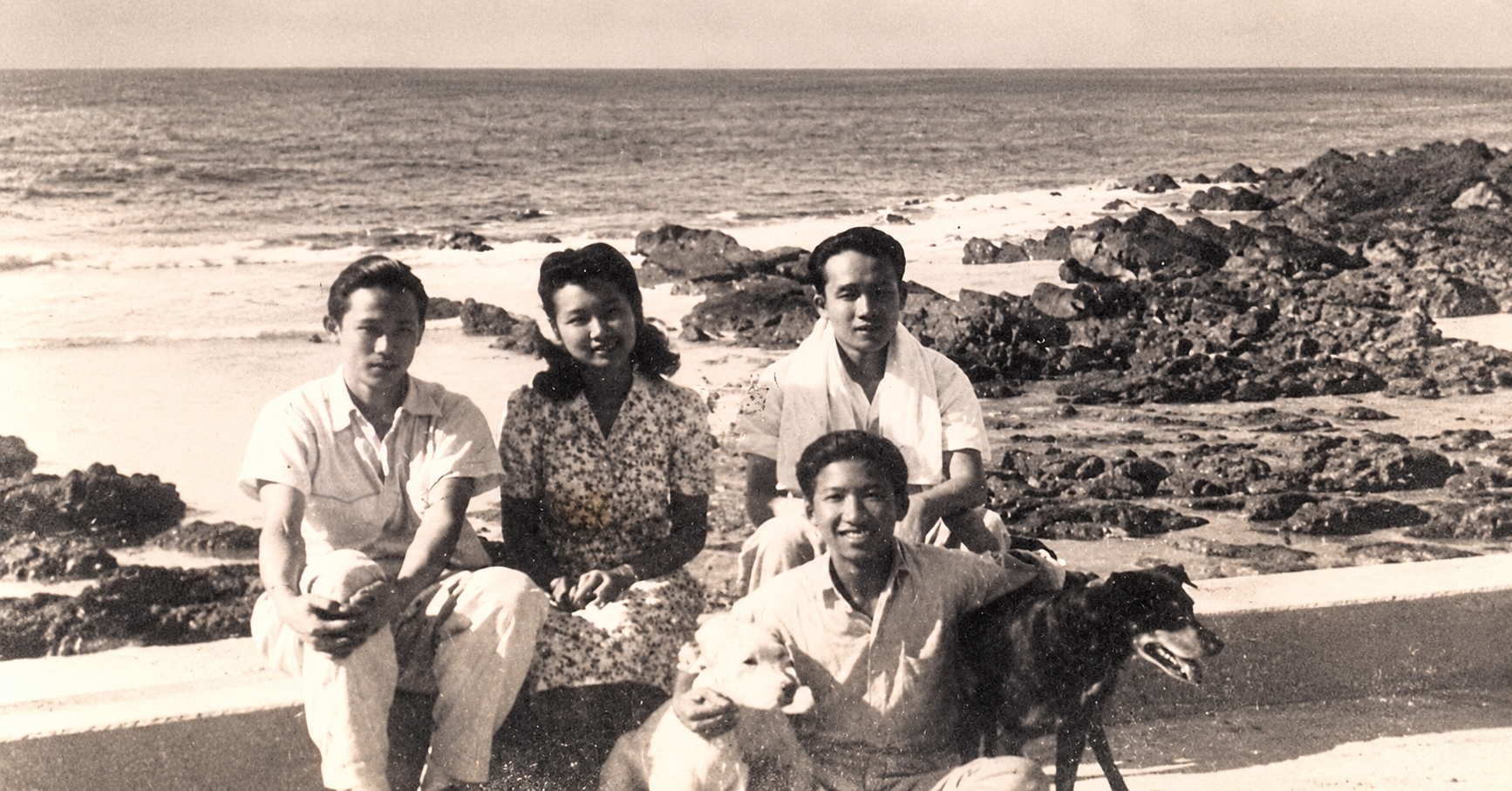
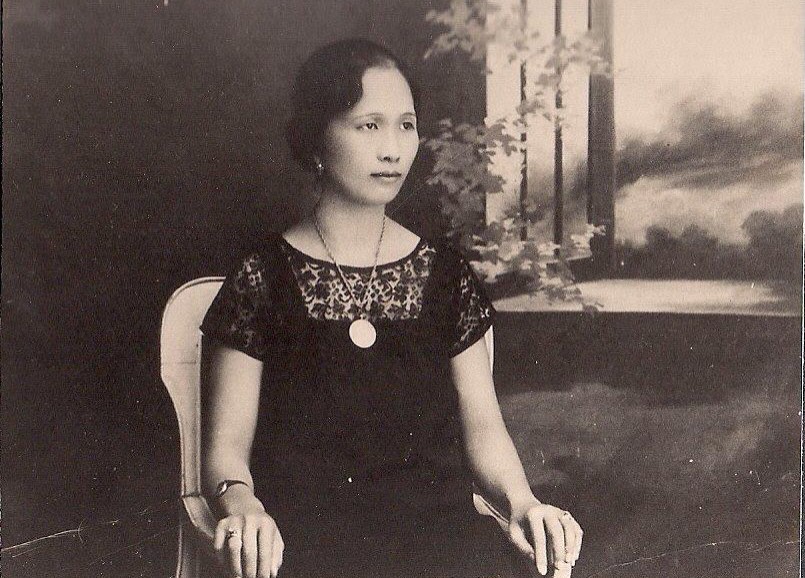
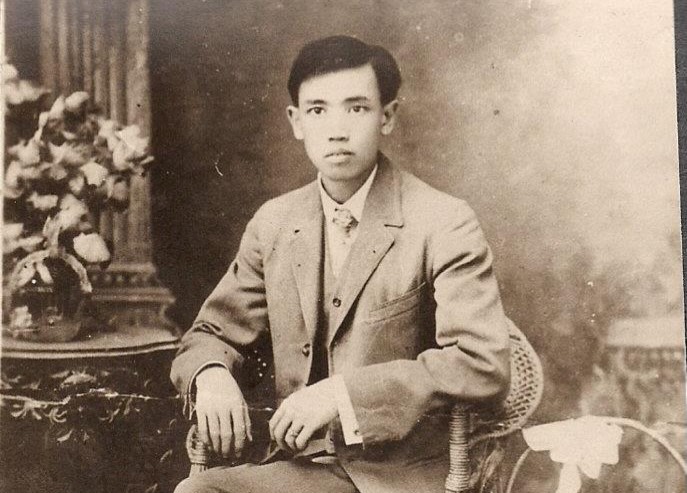
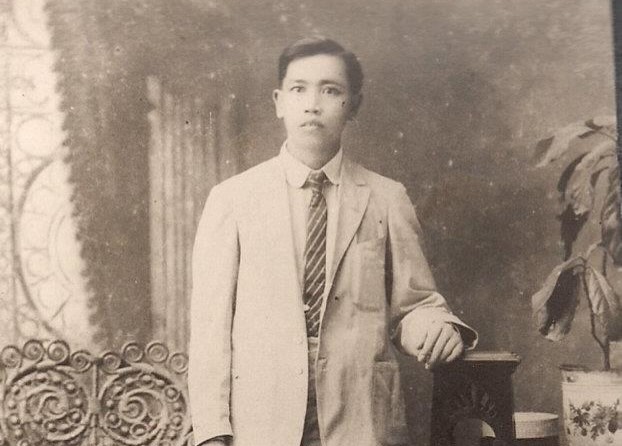
The history of the Chinese community in Mazatlán dates back to the mid-19th century, when immigrants from regions such as Canton arrived in search of better opportunities. Drawn by the possibilities offered by the port, they gradually established themselves in the city, building new lives through hard work, perseverance, and a strong sense of family.
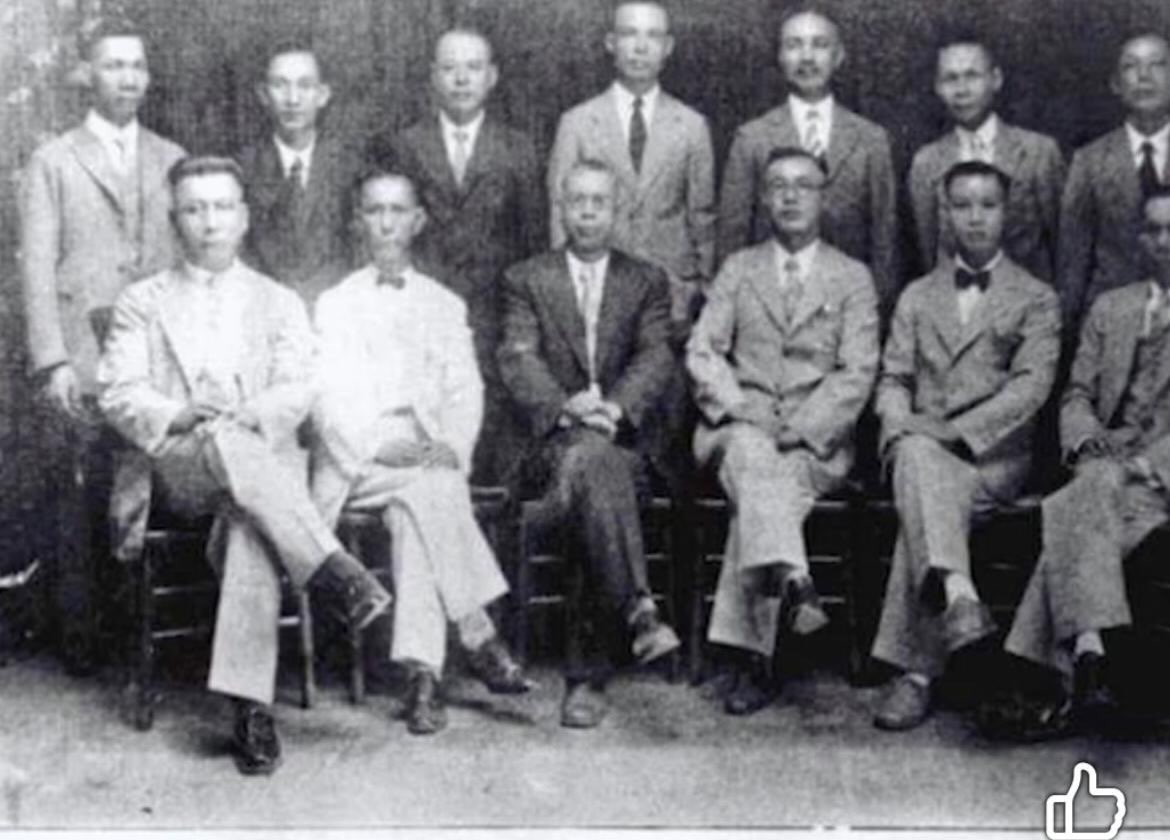
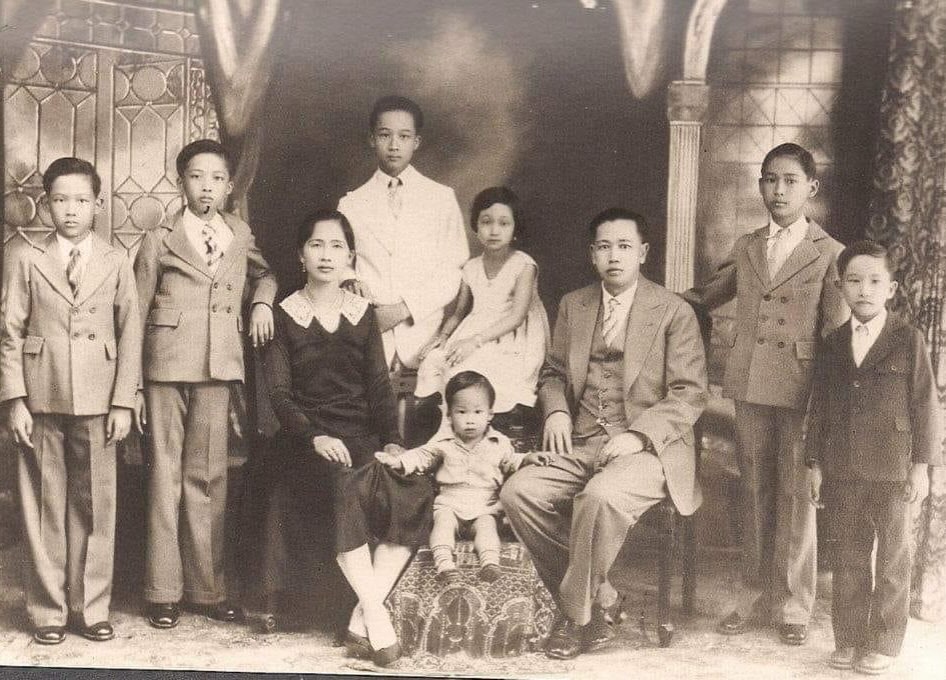
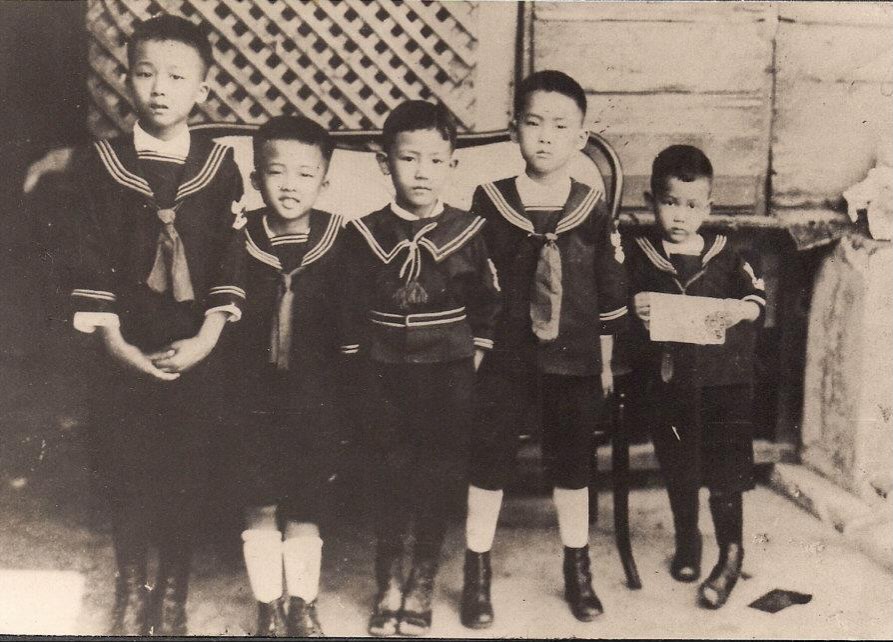
Their arrival marked the beginning of a cultural presence that would become an important part of Mazatlán’s history, contributing to the growth and diversity of the local community.
Building Businesses and Shaping the City
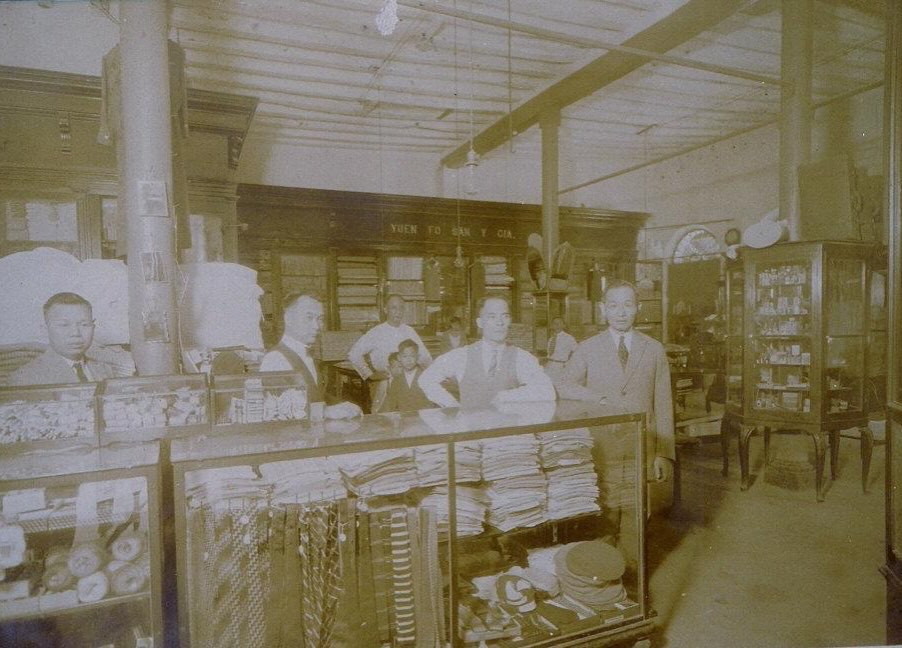
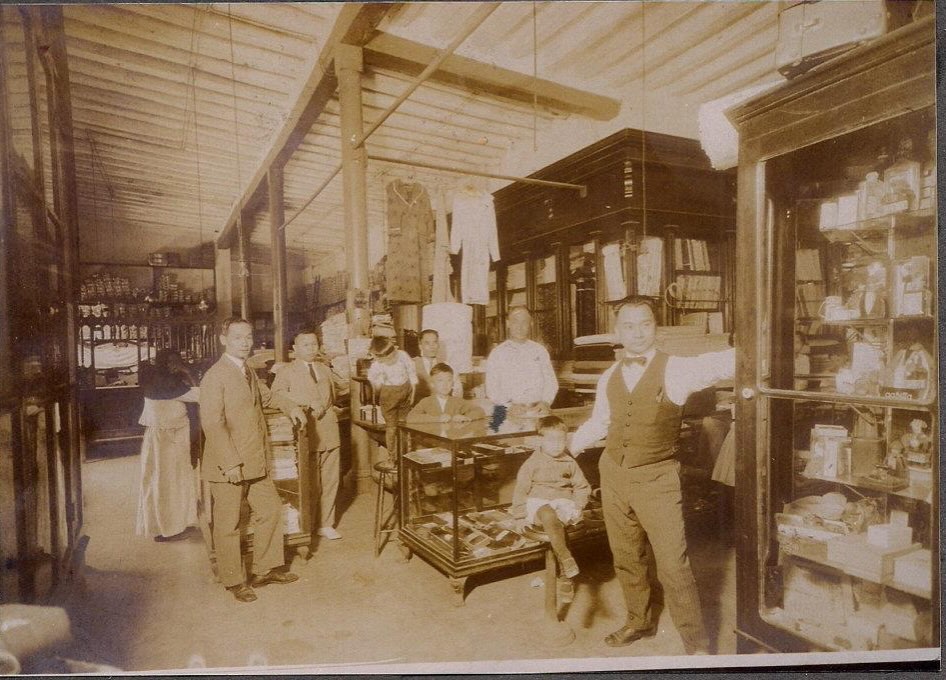
Many Chinese immigrants initially worked as cooks, farmers, laundry workers, and merchants. Over time, they established their own shops, farms, and restaurants, creating businesses that served the local population and became part of everyday life for generations of Mazatlecos.
By 1919, records documented 323 Chinese residents and approximately 70 Chinese-owned establishments. These figures reflect the community’s significant presence in the city’s commercial life during the early 20th century.
Businesses That Became Part of Mazatlán’s History
The influence of the Chinese community can still be remembered through several historic establishments. La Fama became known for its coffee, cakes, and soletas, while restaurants such as El Pekín and El Oriental introduced flavors that became familiar to local residents. Other establishments, including Jade, Jano, and La Muralla China, also formed part of Mazatlán’s commercial and culinary landscape.
Another notable story is that of Juan Ley Fong, whose history is linked to the origins of Casa Ley, one of the most recognized business names associated with the region. Together, these stories illustrate how Chinese immigrants and their descendants contributed to the economic development of Mazatlán.
A Difficult Chapter: Discrimination and Expulsions
Despite their contributions, Chinese immigrants faced discrimination and exclusion. Between 1931 and 1933, anti-Chinese campaigns and expulsions forced many families to abandon their homes, businesses, and lives in Sinaloa.
This period remains a painful chapter in the region’s history, highlighting the challenges faced by a community that had worked for decades to establish itself. Nevertheless, family ties, cultural traditions, and the contributions of those who remained helped preserve its legacy across generations.
A Heritage That Lives On in Local Traditions
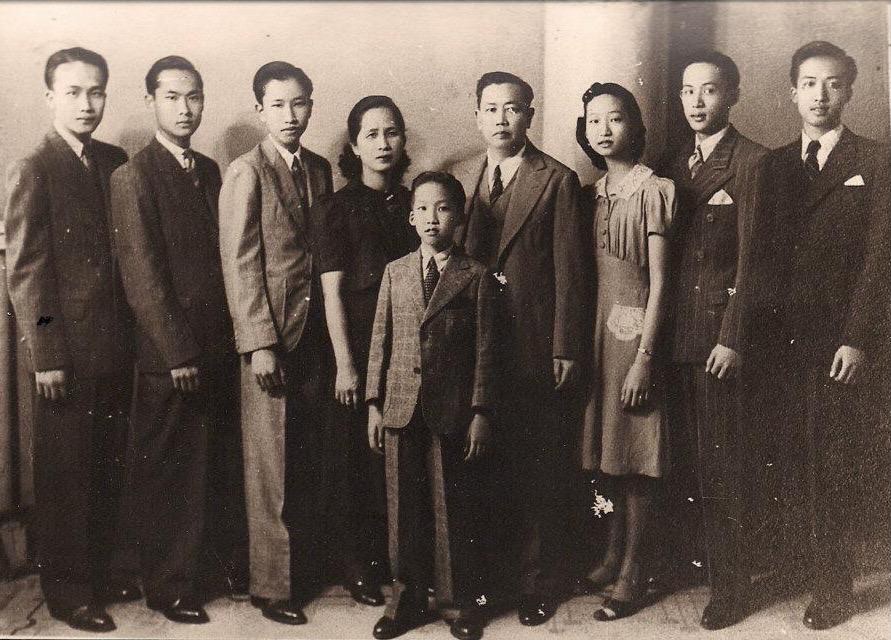
Today, Chinese heritage remains part of Mazatlán’s cultural identity. Family names such as Wong, Ley, Chío, and Woo reflect generations of history and belonging within the local community.
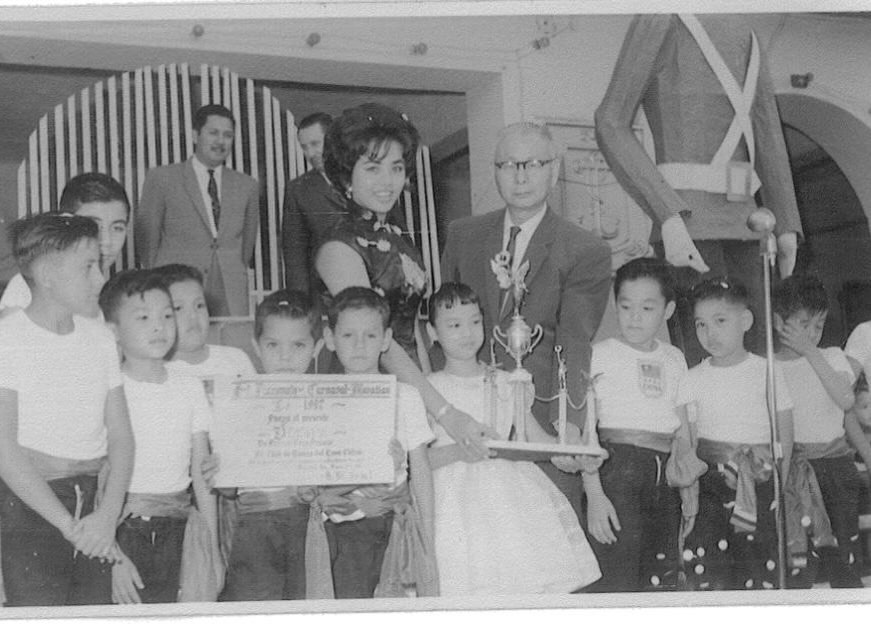
The community has also left its mark on the city’s Carnival traditions. Among its notable representatives are Isela Wong Ramos, who was crowned Carnival Queen in 1962, and Siu Ling Cotero Chío, who became Queen of the Floral Games in 2024. Their participation reflects the continued presence of Chinese-Mexican families in one of Mazatlán’s most important cultural celebrations.
A Legacy of Resilience and Belonging
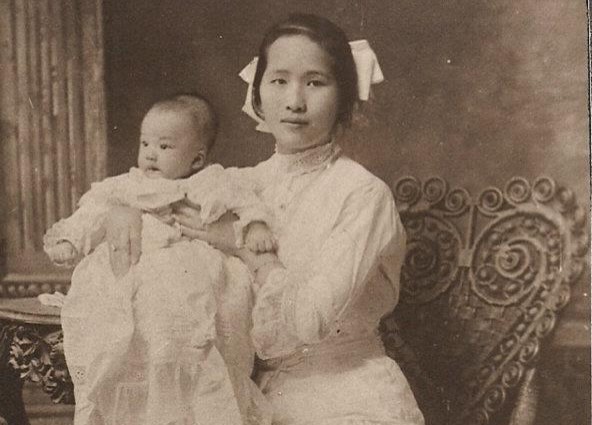
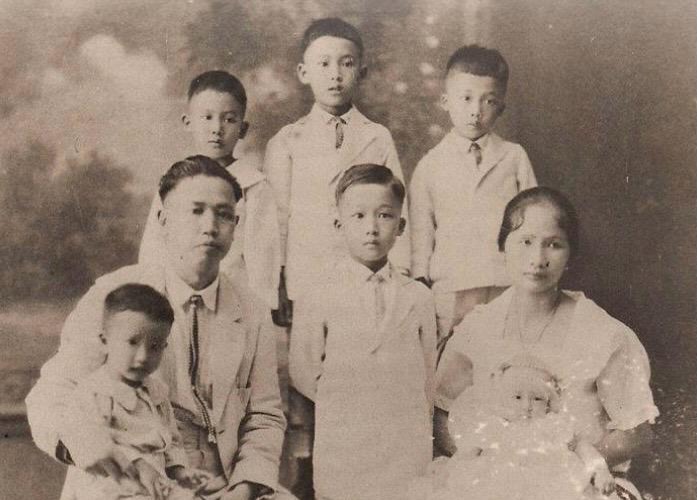
The history of the Chinese community in Mazatlán is a story of migration, hard work, resilience, and belonging. From the first immigrants who arrived in search of opportunity to the generations that followed, their contributions helped shape the city’s commercial activity, culinary traditions, and social life.
More than a history of businesses and family names, this legacy represents the lasting influence of a community that became part of Mazatlán’s identity. Its story continues to live on through historic establishments, family memories, and the traditions that connect the city’s past with its present.