



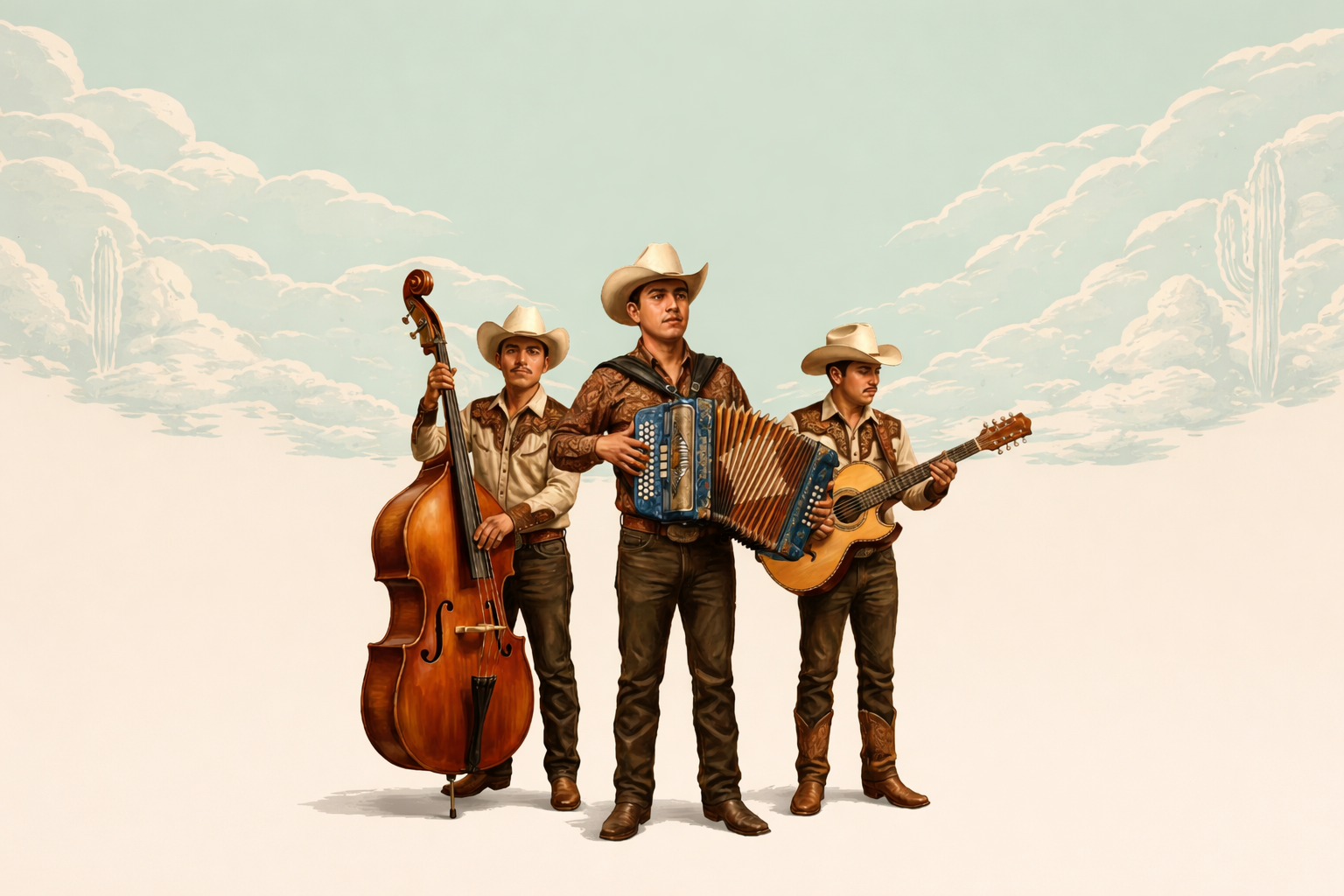
México is a large country, and nothing within its regions is bigger than its geographic north. Hugging the U.S. border—from Baja California in the west to Tamaulipas in the east, and deep into Durango as it stretches southward—“el norte” is forever linked to three things: the U.S.-Mexican border, the legendary Pancho Villa, and norteña music.
Norteñas are a form of ranchera music, related to mariachis in west-central México and banda sinaloense in the country’s northwest. Their rhythms can be fast-paced or slow, sometimes forming romantic boleros or brash corrido ballads highlighting heroic exploits or defeats. Norteñas often speak to the migrant experience, the harshness of rural life, poverty, missed opportunities in love and work, and even death—key themes in the genre.
The People of Northern Mexico
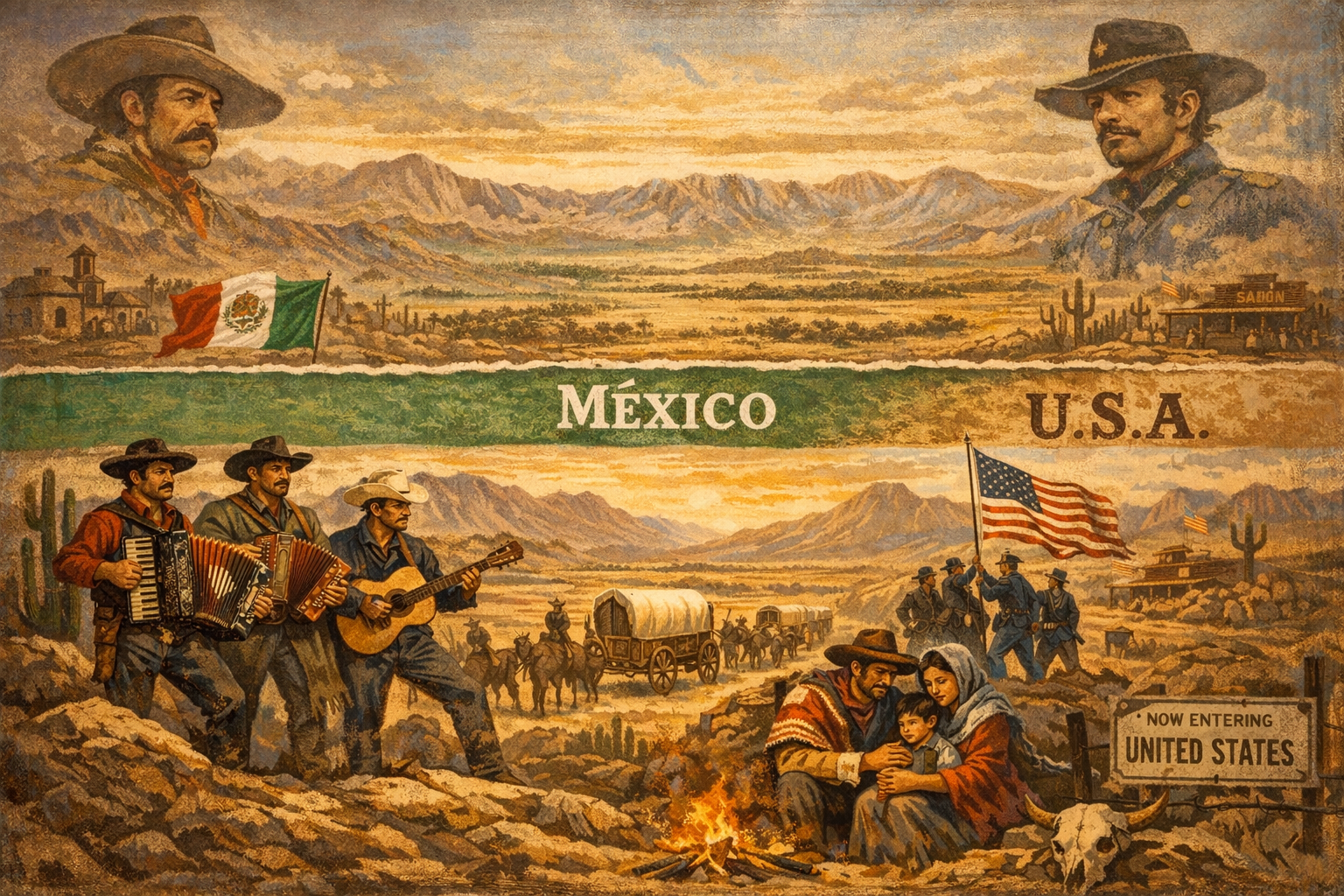
Norteños—the people originating from México’s north—are known for their resilience. Think of this region as the American Old West, combined with deserts, mountains, and a harsh climate. Historically, northern México once stretched as far as Wyoming. However, the Mexican-American War (1846–1848) resulted in México losing half its territory—from California to Texas, including Nevada and Utah. Many mexicanos had to choose between moving south into México proper or remaining in the newly U.S. territory. This shared history makes norteña music borderless, having developed across both northern México and the Spanish-speaking U.S. Southwest.
The Birth of Norteña Music
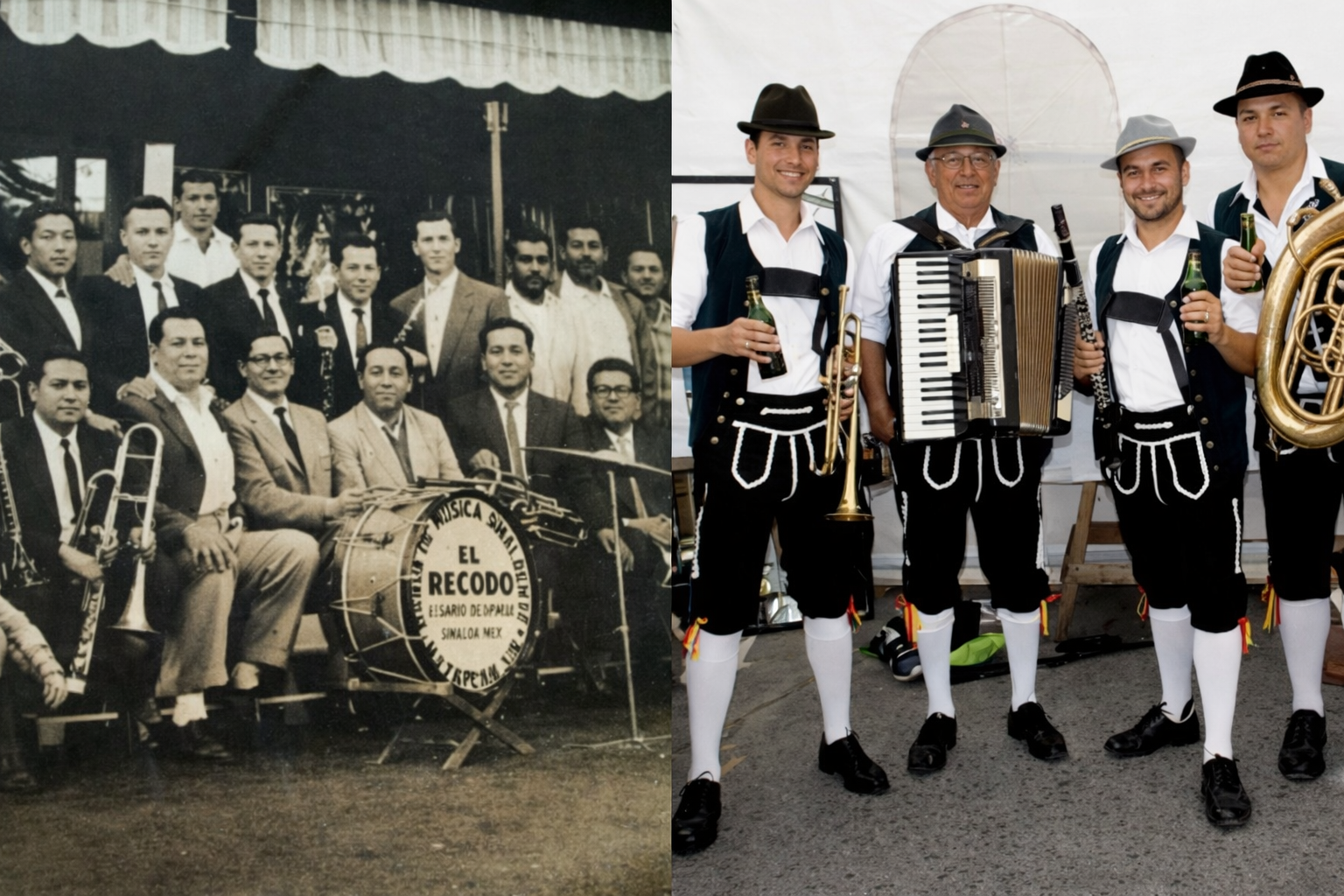
Norteña music cannot be understood without acknowledging the influence of German immigrants and their musical tastes. The accordion became the most distinguishing instrument, often paired with the twelve-string guitar. Early ensembles included a man on accordion and another on guitar, both singing. Later, instruments like the “redova” (a waist-level drum) and the tololoche (smaller double bass) completed the first conjunto—the precursor to modern Tex-Mex music.
Although norteña music existed in the 1800s, it was the Mexican Revolution (1910–1920) that catalyzed its rise. Singers and composers carried stories of battles and social events across the country, celebrating northern heroes from states like Sonora, Chihuahua, and Coahuila.
Norteña Music Goes Mainstream
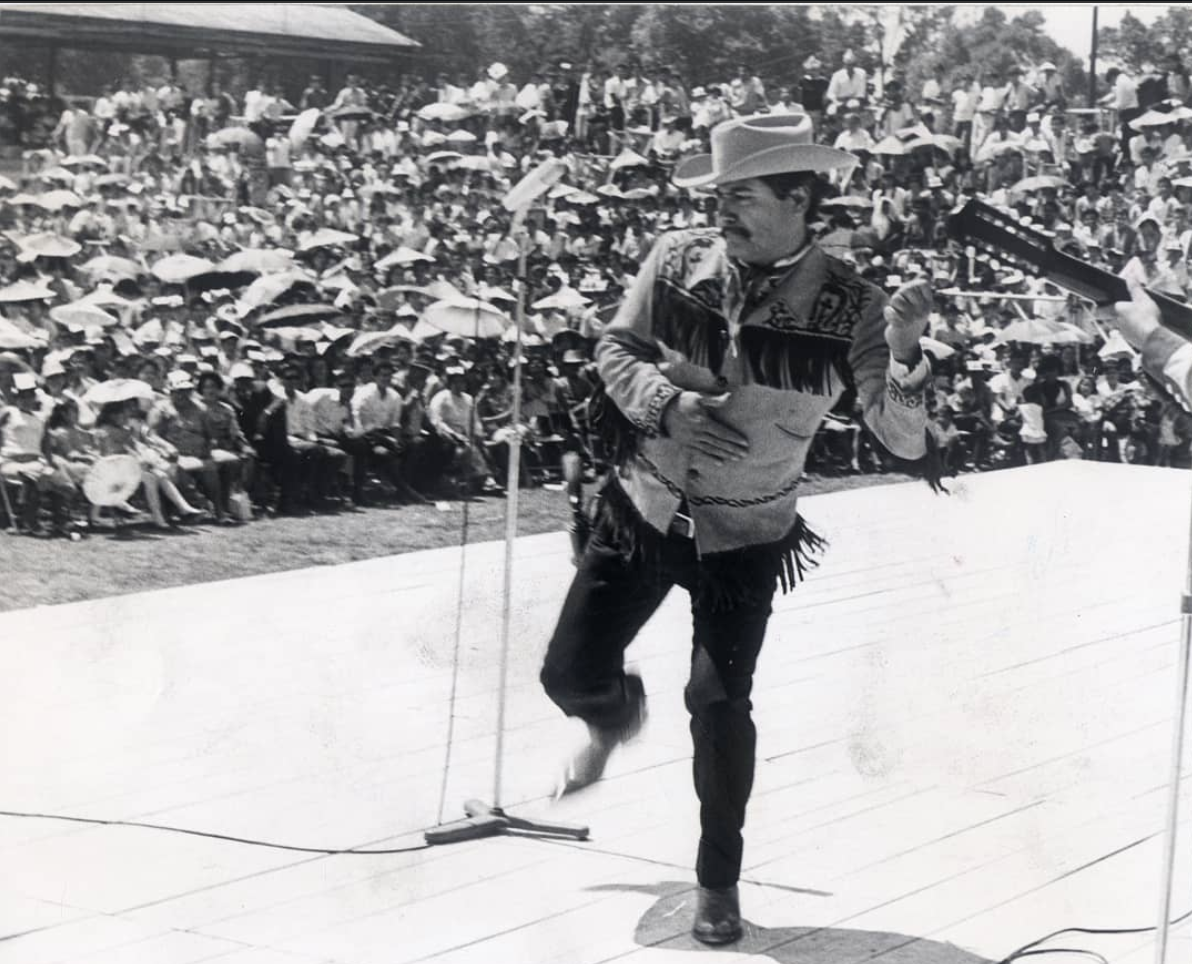
Legendary groups such as Los Invasores de Nuevo León, Ramón Ayala y sus Bravos del Norte, and Los Tigres del Norte kept the genre at the forefront. Artists like Eulalio Gutiérrez, “Piporro,” brought norteñas to film, while Miguel y Miguel added guitar-driven twists. Over the decades, radio and live performances helped norteña music spread from Tijuana to Mérida.
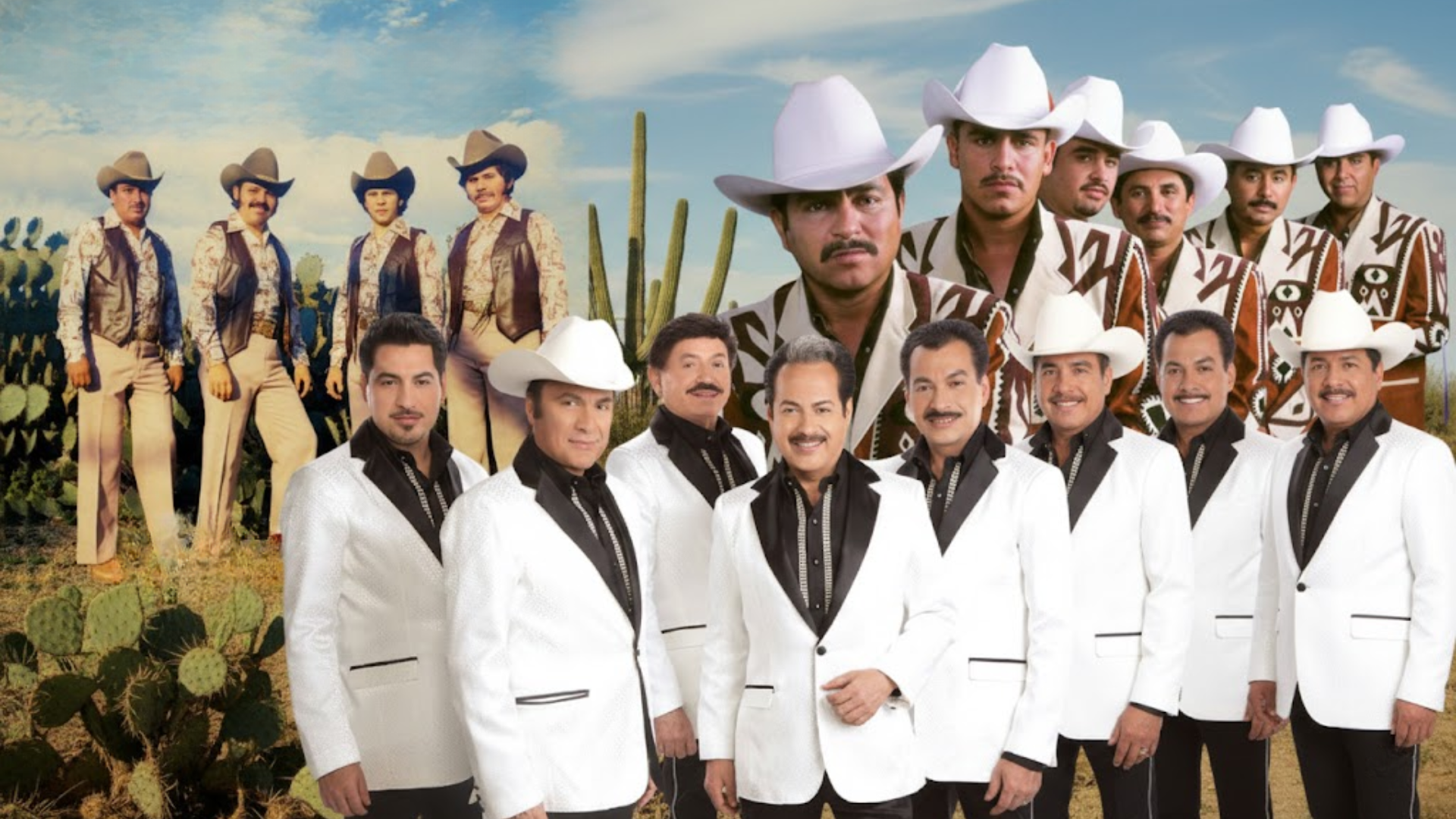
Classic pioneers like Los Montañeses del Álamo and Los Alegres de Terán established the enduring accordion-guitar combination with harmonious vocals—a structure that has persisted for over a century. Later groups, including Los Relámpagos del Norte and Carlos y José, contributed to the genre’s evolution, blending styles and introducing new rhythms while keeping the norteña spirit alive.
Norteña Today
Modern norteña music is diverse, sometimes fused with banda or cumbia influences. In cities along the Malecón and beyond, norteñas fill the air, and both locals and tourists instinctively join in, singing along to classics like “El Columpio”, “Sonora y sus Ojos Negros”, and “Un Rinconcito en el Cielo”.
It’s impossible to experience northern México without norteña music—it is, in every sense, the region’s soul, its “northern spirit” that continues to resonate across generations.

