

By Lorenzo Covarrubias, PhD in Cultural Anthropology
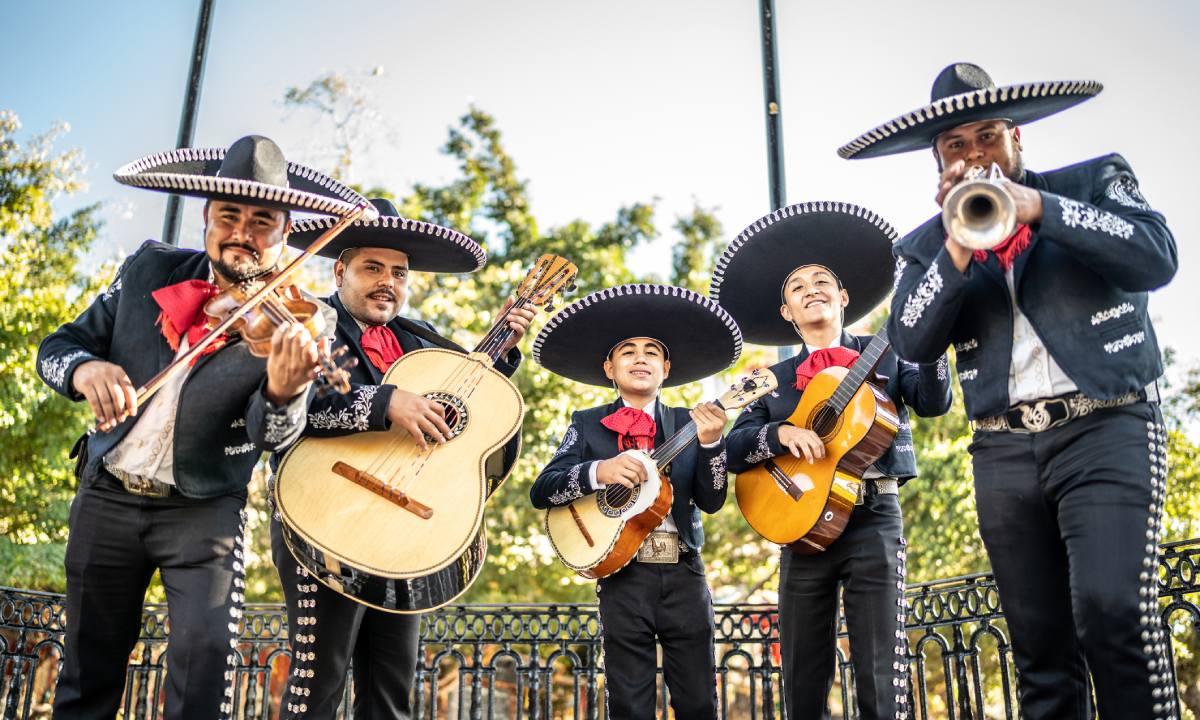
Rancheras are Mexico’s unofficial national sound. Iconic songs like “Cielito Lindo” or Vicente Fernández’s “El Rey” (composed by José Alfredo Jiménez) evoke a kind of Mexicanness that only the country’s National Anthem can surpass—both at home and abroad. Primarily paired with mariachi music, rancheras resound with themes that define Mexican identity: love, angst, strength, courage, despair, tragedy, and death. Though not identical, an equivalent in the U.S. or Canada might be country music, with its focus on the beauty and challenges of rural life.
From Rural Roots to National Fame
Ranchera music was not always welcomed in Mexico’s urban or upper-class society. Like many Latin American musical forms, rancheras had to overcome social barriers. Their focus on rural life made them seem unsophisticated to the middle and upper classes—who, despite being a minority, largely shaped the nation’s musical tastes.
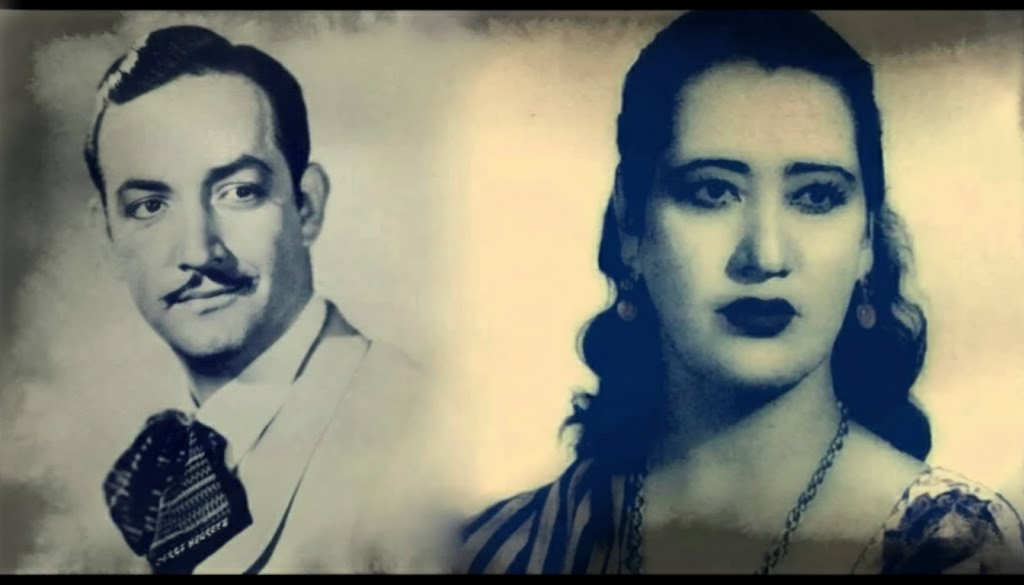
By the early 1900s, this began to change. A combination of cultural shifts and growing interest in rural narratives allowed rancheras to rise. Paired with mariachi bands, ranchera songs began attracting legendary artists such as Lucha Reyes, a pioneer female singer, and Jorge Negrete, who brought rancheras to the silver screen.
Cinema and the Golden Age
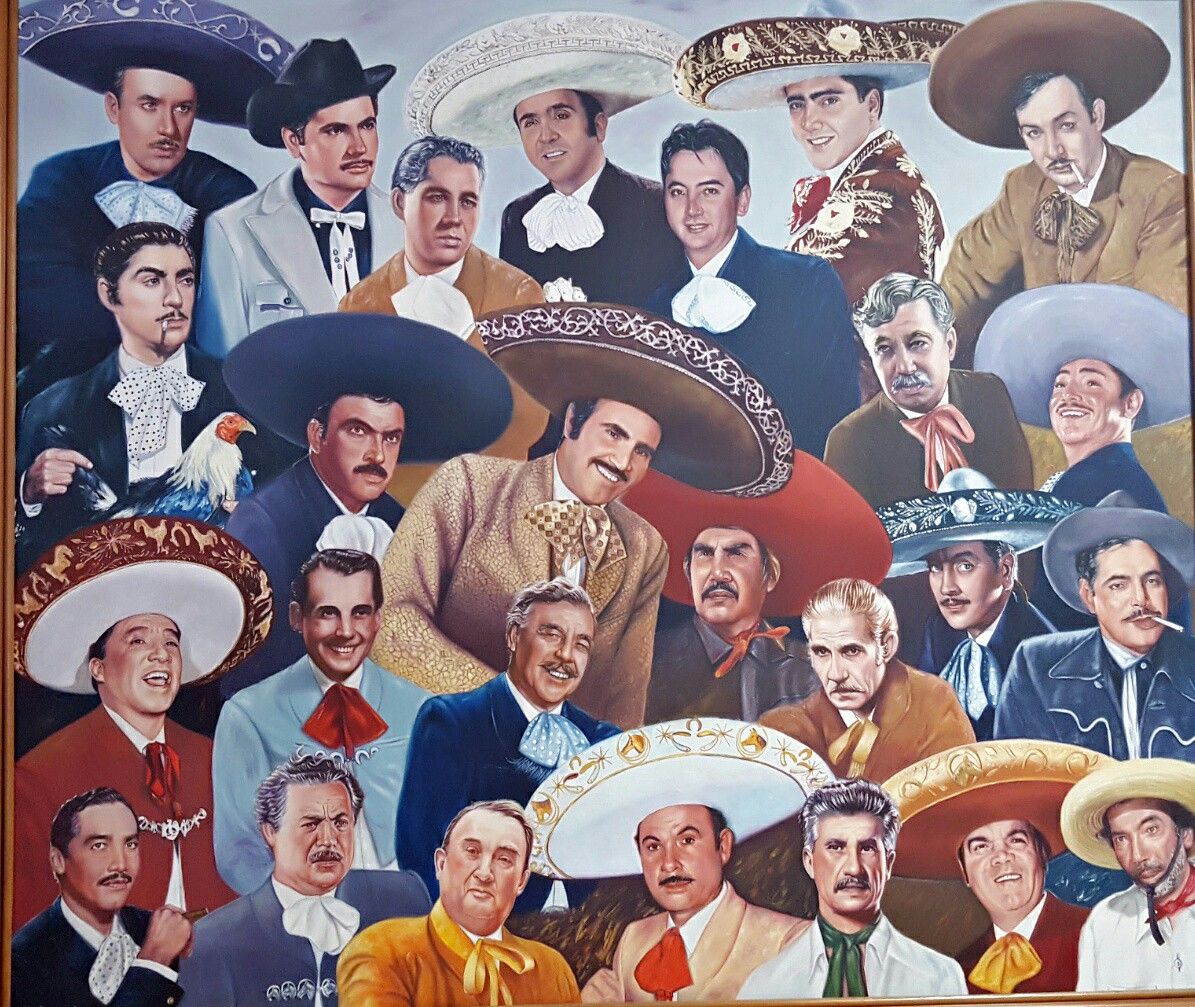
The golden age of Mexican cinema (1930s–1960s) was pivotal. Allá en el Rancho Grande (1930s) is believed to be the first film combining star power (Tito Guízar), ranchera-mariachi music, and a rural love story. Its instant success sparked a wave of similar films, where rural life and romantic plots were central. Though not musicals, these films featured soundtracks with both new and existing ranchera hits.

This era also produced singer-actors who excelled at both singing and acting. Unlike Bollywood, there was little dancing; instead, stars serenaded under moonlight, blending narrative and music seamlessly.
Evolution of Ranchera Music
Rancheras have evolved while staying true to their roots. Javier Solís pioneered boleros rancheros, where mariachis, rather than guitars, dominated the accompaniment. Initially controversial, the style grew into a lasting genre.

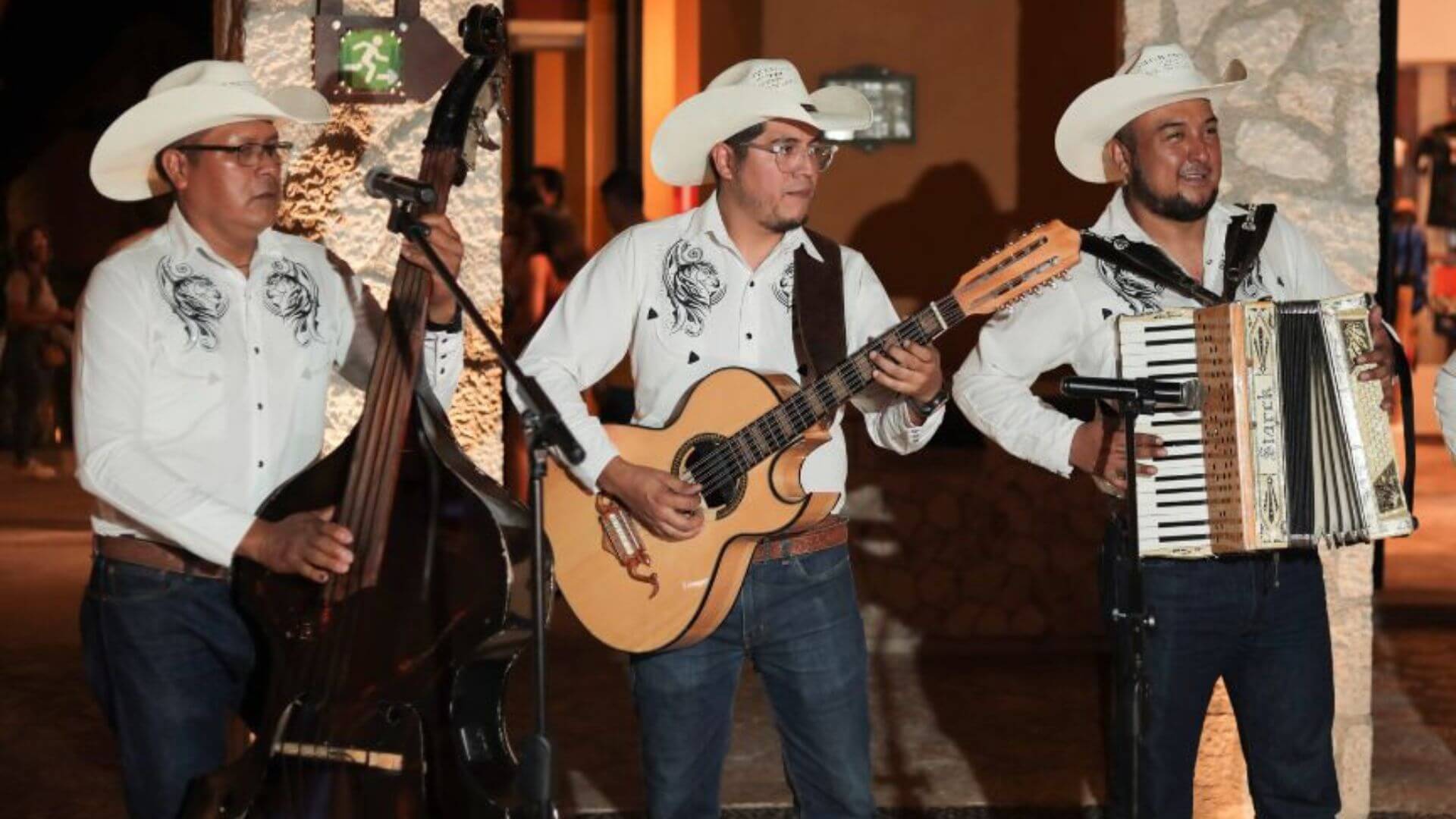
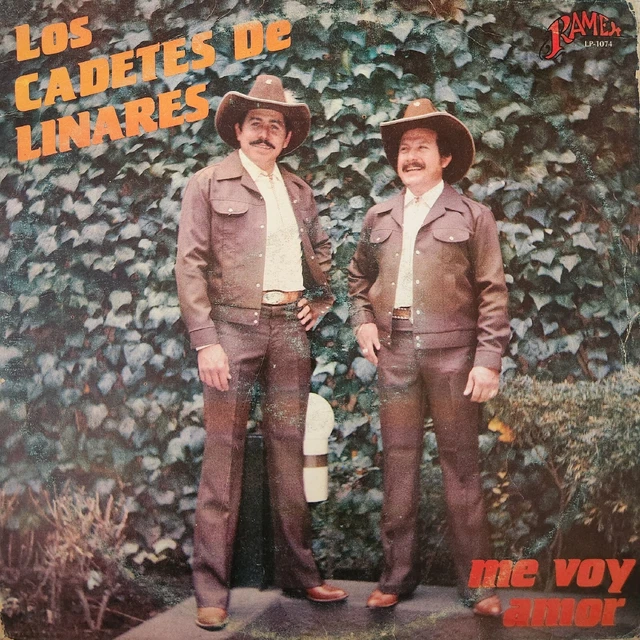
In northern Mexico, norteño groups infused rancheras with accordion and guitar, expanding the sound. Los Alegres de Terán, later followed by Los Cadetes de Linares, were pioneers of this style.

Sinaloa and the Banda Connection
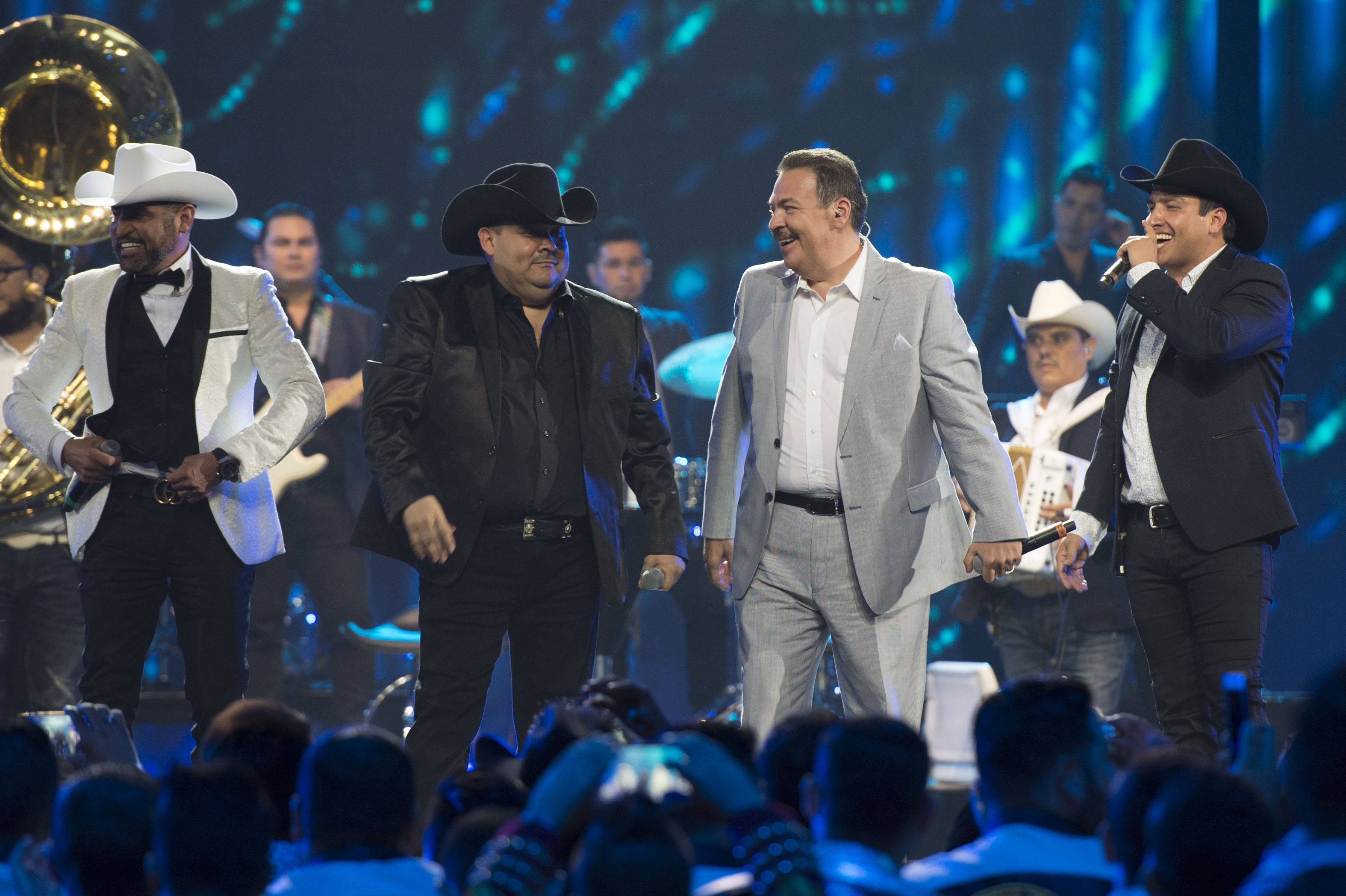
In Sinaloa, where banda reigns supreme, rancheras merged seamlessly with local sounds. Initially instrumental, bandas later incorporated lead singers, completing the crossover. Artists like Julio Preciado, El Coyote, and Pancho Barraza brought ranchera vocals to banda fans, sustaining the genre’s vitality.
Sinaloa also produced legendary figures in ranchera history. Lola Beltrán (Lola la Grande) is considered one of the greatest mariachi-ranchera singers, rivaling Lucha Reyes. Pedro Infante, from Guamúchil, remains arguably the greatest ranchera singer-actor. Composers like Luis Pérez Meza (Cosalá) and José Ángel Espinoza (“Ferrusquilla”) (Choix) contributed countless iconic songs still sung today.
Rancheras Across Borders
Mexican migrants have played a crucial role in spreading ranchera music—whether mariachi, norteño, or banda. In the U.S. and increasingly in Canada, rancheras signal a Mexican household or a connection to Mexican culture. Yet the music has transcended national boundaries, finding listeners across Latin America. Ranchera knows no limits.